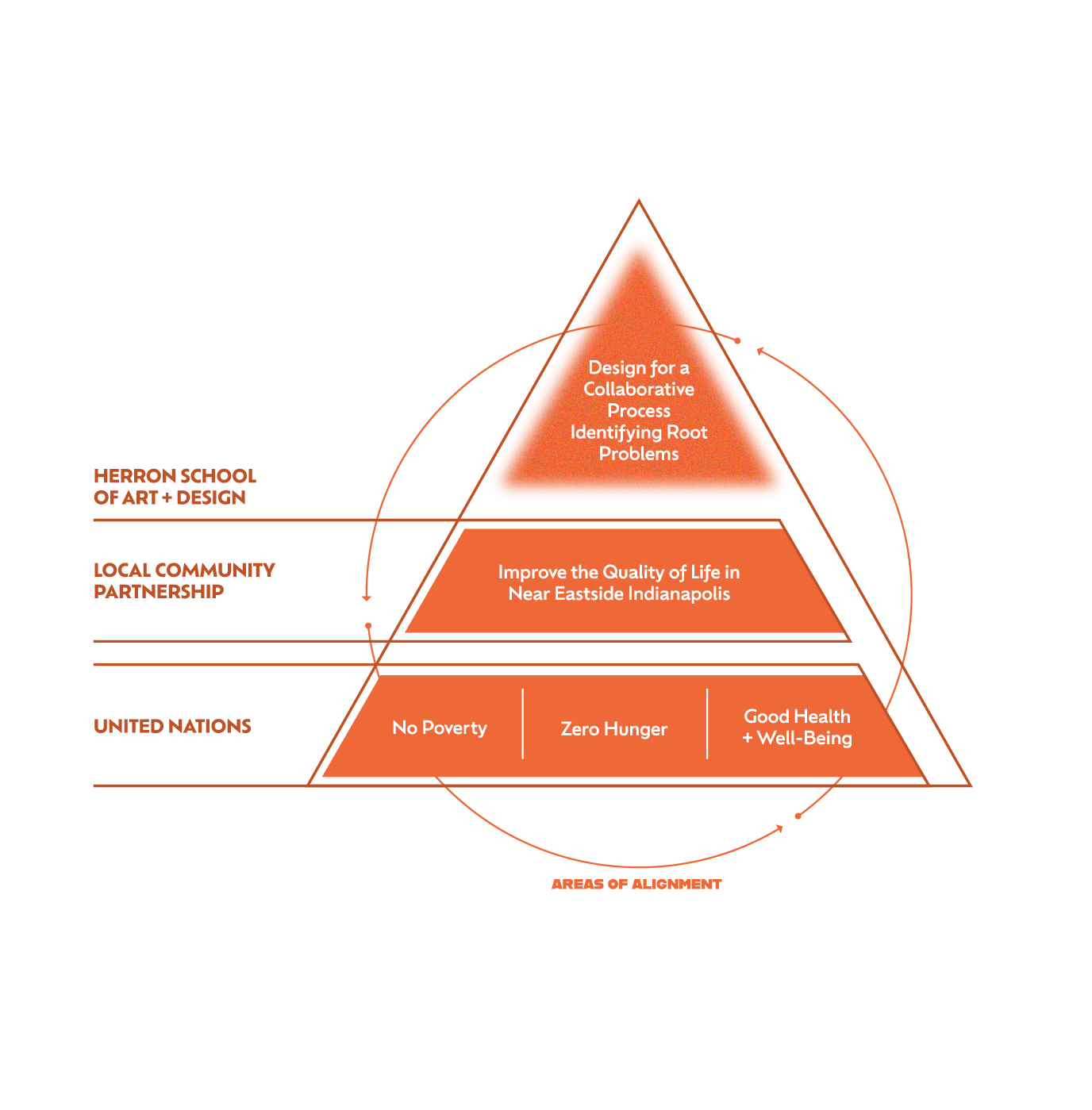
Over the past decade, extensive discussions have centered on the United Nations and its Sustainable Development Goals, ranging from No Poverty and Zero Hunger to Good Health and Well-Being. However, how do these goals impact individuals at a local level? What role can designers play in communicating this information effectively? Additionally, how are we collaborating with communities to ensure that our designs align with the needs and aspirations of both organizations and residents?
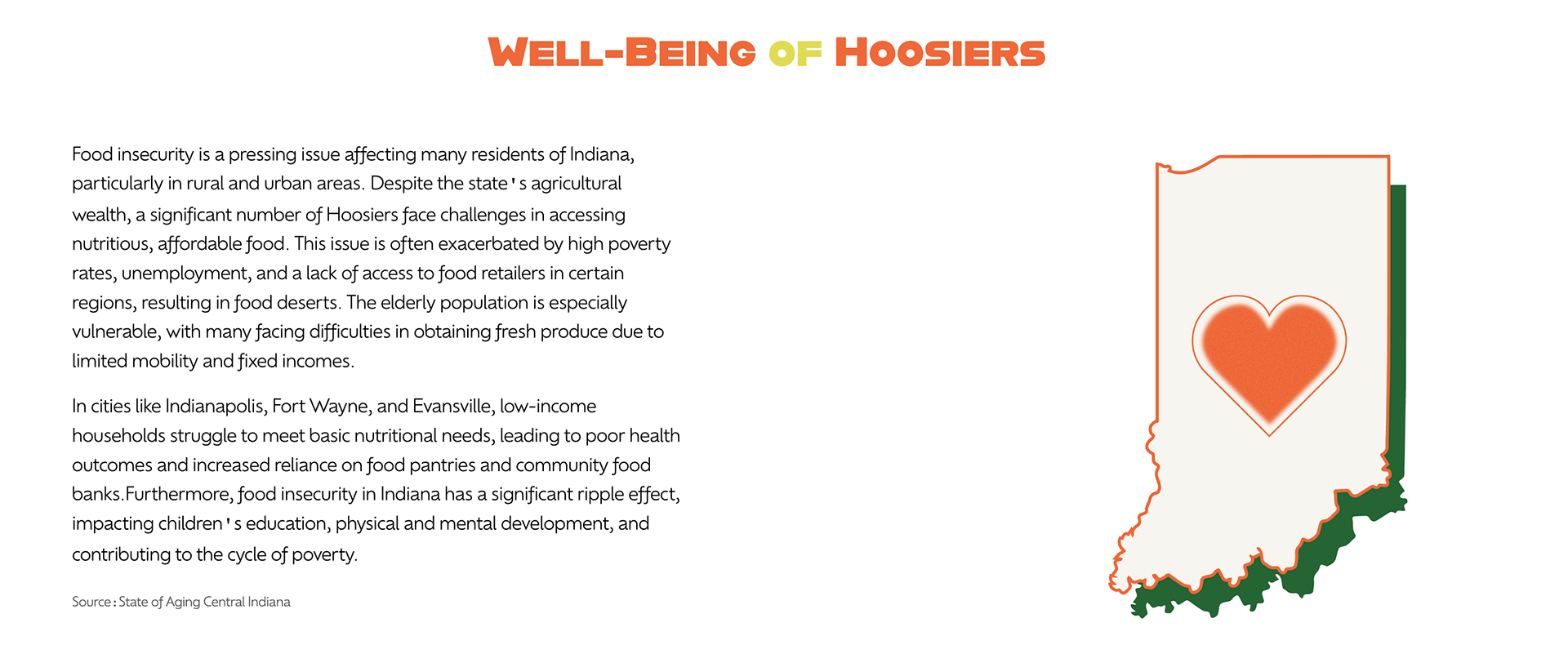
In the United States, communities grappling with systemic inequities disproportionately affect older adults, particularly concerning food insecurity. Nationally, food insecurity is a significant concern, with the state of Indiana exhibiting even higher rates of this issue. A design study was undertaken at a reputable educational institution dedicated to community engagement and the advancement of sustainable development in Indianapolis, Indiana, investigating the multifaceted challenges encountered by older adults. The research investigates essential aspects, including dietary requirements, the existence of food deserts, challenges related to mobility and accessibility, and the impact of social services on the mental and social well-being of older adults. The goal is to pinpoint effective modifications in food systems and support frameworks to improve their overall quality of life.
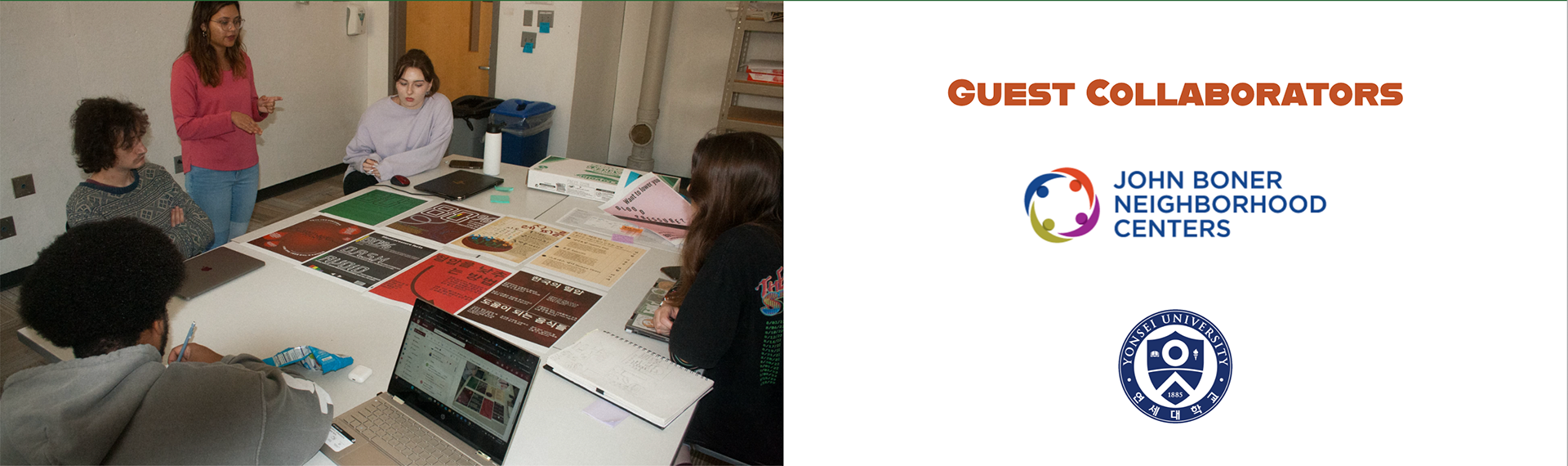
Today, designers are pivotal in offering perspectives to address these intricate challenges through socio-cultural reimagining and compassionate collaboration with stakeholders. Shifting from an absence-centered approach, the study explores creative methods for communicating the experiences of food insecurity and the relationship between mental well-being and food access. Thereby, employing comparative research and design solutions aimed at improving communication about food serenity for the elderly in Indianapolis. A critical aspect of the study emphasizes the authors' pedagogical approach within the undergraduate Visual Communication Design curriculum, and how this design project was developed and facilitated within a virtual global exchange with students from South Korea in a studio classroom environment. The results will be presented in a poster that highlights community engagement strategies with project partners, customized design research approaches, and frameworks for evaluating both immediate and long-term effects on the community.
This project was displayed at Cumulus Nantes 2025: Ethical Leadership – A New Frontier for Design
LOCATION: L’École de design Nantes Atlantique
LOCATION: L’École de design Nantes Atlantique